Mary Kelly
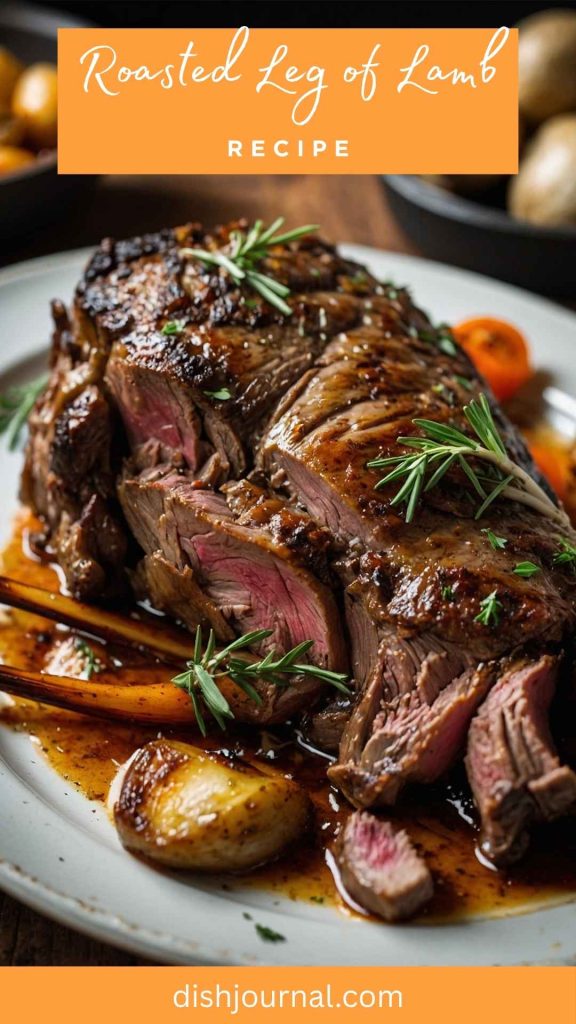
As I write about roasted leg of lamb, memories of family gatherings come flooding back. Imagine the scent of garlic, rosemary, and rich roasted meat wafting through the kitchen.
Friends and family gather around the dinner table, carving knives in hand. The joy of sharing such a meal is something special. But before we dive into cooking this delightful dish, let’s talk about what pairs beautifully with it.
Perfect Pairings for Roasted Leg of Lamb
Roasted leg of lamb deserves a flavorful companion. Here are some delightful pairings that elevate your meal.
Garlic Mashed Potatoes: Creamy and savory, mashed potatoes are a classic side. Add roasted garlic for extra flavor.
Roasted Vegetables: Carrots, potatoes, and Brussels sprouts tossed in olive oil and herbs complement the lamb beautifully.
Mint Jelly: This sweet and tangy sauce cuts through the richness of the meat, adding a refreshing contrast.
Red Wine: A bold red, like Cabernet Sauvignon or a Merlot, enhances the savory notes of lamb.
Crusty Bread: A loaf of freshly baked bread is perfect for soaking up the juices from the lamb.
With these pairings, your meal will shine. Now, let’s journey into making the star of the show: the roasted leg of lamb.
You’ll Also Like These Recipes
Roasted leg of lamb is more than just a dish; it’s an experience. Every bite tells a story rich in tradition and flavor. Whether you are celebrating a holiday, hosting friends, or indulging on a cozy night in, this dish can bring everyone together.
I remember the first time I attempted to roast a leg of lamb. The recipe seemed daunting, but the result was undeniably rewarding. Let’s dive deep into what makes this dish loved by many and how to prepare it flawlessly.
What is Roasted Leg of Lamb?
Roasted leg of lamb is a whole cut from the hind leg of a lamb, known for its tenderness and rich flavor. Cooking it low and slow allows the meat to absorb flavors from herbs and spices, resulting in a juicy and aromatic dish.
Traditionally, it’s seasoned with garlic, rosemary, and often served with a savory gravy. This preparation showcases the natural flavors of the lamb while creating a delicious crust on the outside.
Why You’ll Love This Roasted Leg of Lamb
The beauty of roasted leg of lamb lies in its flavor profile. It’s succulent, tender, and bursting with flavor. This dish is also impressively simple to make. You don’t need to be a culinary expert; the ingredients do the heavy lifting.
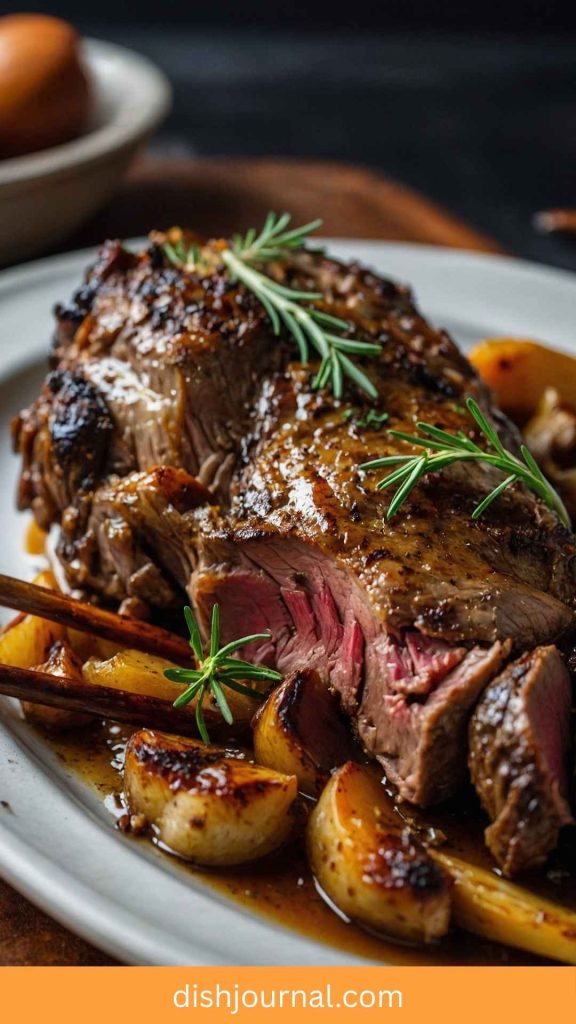
Besides its taste, serving this dish can create a festive atmosphere. Picture this: a beautifully roasted leg of lamb, golden and fragrant, resting majestically on your dining table, ready to be carved.
But what truly makes this dish irresistible? It’s the balance of flavors. The rich meat pairs perfectly with the fresh herbal notes of rosemary and thyme, while the garlic adds a layer of warmth and depth. Whether you prefer your meat medium-rare or well-done, there’s enough room for customization. This versatility makes it a perfect choice for any gathering.
The Ingredients You Will Need To Make Roasted Leg of Lamb
To prepare a roasted leg of lamb, gathering the following ingredients is crucial:
Lamb: A 2.25 kg (4.5 lbs) bone-in leg of lamb. The bone adds flavor and tenderness.
Olive Oil: 1.5 tablespoons of extra-virgin olive oil for flavor and to help the herbs adhere.
Balsamic Vinegar: 1 tablespoon brings out the lamb’s richness.
Herbs: 2 sprigs of fresh rosemary, with an optional 4 for a bolder flavor.
Garlic: 1 whole garlic bulb, halved horizontally, adding that beloved aroma.
Onion: 1 large onion, quartered, for sweetness and depth.
Bay Leaf: 1 dried bay leaf to enhance the dish’s aroma.
Beef Broth: 3 cups of low-sodium beef broth or homemade stock for gravy.
Salt and Pepper: Sea salt and freshly cracked black pepper to taste.
For the Gravy:
Water: 1 cup for mixing with the flour.
All-Purpose Flour: 4 tablespoons to thicken the gravy.
Salt and Pepper: To taste.
Directions
Roasting a leg of lamb may sound complex, but once you break it down, you’ll find it’s quite straightforward. Let’s go through the steps.
Step 1: Prepare the Lamb
Start by preheating your oven to 350°F (175°C). While it’s warming up, take the leg of lamb out of the refrigerator. This allows the meat to reach room temperature, ensuring even cooking. Pat the lamb dry with paper towels, which helps develop a beautiful crust.
Step 2: Season Generously
Drizzle the olive oil over the lamb, making sure to coat it evenly. Rub the balsamic vinegar into the meat, enhancing the flavor. Generously season with sea salt and freshly cracked black pepper. Let’s not skimp on seasoning; it’s key to a flavorful dish.
Step 3: Add Herbal Goodness
Take your garlic bulbs and rosemary sprigs, pressing them gently into the meat. The garlic will roast beautifully, becoming soft and sweet, while the rosemary infuses the lamb with its fragrant aroma.
Step 4: Prepare the Vegetables
In a roasting pan, place the quartered onion around the lamb. You can also add other vegetables like carrots and potatoes if you’d like. They will soak up the delicious juices from the lamb.
Step 5: Pour in the Broth
Pour the beef broth into the pan, ensuring it doesn’t touch the lamb directly. This broth will keep the meat moist while roasting and serve as the base for your gravy.
Step 6: Time for Roasting
Cover the pan with aluminum foil, making sure it’s secure to trap in moisture. Place it in the preheated oven for about 2 hours. If you prefer medium-rare, aim for an internal temperature of 145°F (62°C). Use a meat thermometer to ensure accuracy.
Step 7: Uncover and Caramelize
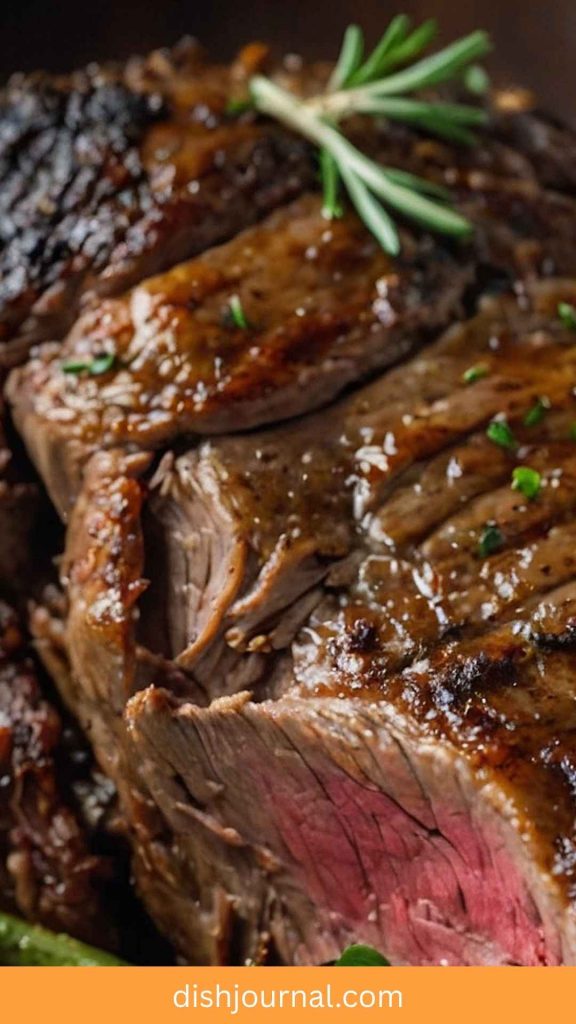
After the initial roasting, uncover the lamb for the last 30 minutes. This step allows the surface to caramelize, resulting in a hearty, golden crust. Baste the lamb with the pan juices once or twice during this time.
Step 8: Rest the Meat
Once the lamb reaches your desired temperature, it’s essential to let it rest for about 15 minutes before carving. Resting allows the juices to redistribute throughout the meat, enhancing the flavor and tenderness.
Step 9: Make the Gravy
While the lamb rests, use the drippings in the pan to create your gravy. Pour the liquid into a saucepan and bring it to a simmer. In a separate bowl, mix the flour with water until smooth. Gradually whisk this mixture into the simmering liquid until thickened. Season with salt and pepper to taste.
Step 10: Carve and Serve
Now comes the exciting part: carving the lamb! Use a sharp knife to slice the meat against the grain. Serve it on a platter, drizzled with gravy, and accompanied by your favorite sides.
Notes
Here are some tips to ensure your roasted leg of lamb turns out perfectly:
Buy Quality Meat: Invest in high-quality, grass-fed lamb for the best flavor.
Don’t Skip the Resting Time: Allowing the lamb to rest is crucial for juicy meat.
Use a Meat Thermometer: Precise cooking is key. Aim for medium-rare at 145°F.
Baste During Cooking: Periodically spoon the pan juices over the lamb to keep it moist.
Experiment with Flavors: Customize with different herbs and spices according to your preference.
Storage Tips
If you have leftovers (though I bet you won’t), here’s how to keep your roasted leg of lamb fresh:
Refrigerate: Store in an airtight container in the fridge for up to 3 days.
Freeze: For longer storage, wrap the pieces tightly in plastic wrap and then foil. They’ll last in the freezer for up to 3 months.
Reheat Gently: Use a low heat setting in your oven to reheat, preventing the meat from drying out.
Nutrition Information
While roasted leg of lamb is a hearty dish, it’s also packed with nutrients. A serving of 100g of cooked lamb typically contains:
Calories: Approximately 250-300
Protein: Around 25-30g
Fat: 15-20g (with variations based on cut)
Iron: Excellent source, contributing to energy and overall health
Always pair portions with plenty of vegetables for a balanced meal.
Serving Suggestions
Here are some delicious ways to enjoy your roasted leg of lamb:
Over a Bed of Couscous: Serve slices over fluffy couscous mixed with herbs. The texture perfectly complements the lamb.
With a Side Salad: A fresh and zesty salad balances out the richness of the dish.
In a Wrap: Use leftovers in a pita with yogurt sauce and fresh veggies for a tasty lunch.
With Roasted Root Vegetables: The natural sweetness of roasted carrots and parsnips pairs well with the savory meat.
On a Charcuterie Board: Mix sliced lamb with cheeses, olives, and spreads for a fantastic appetizer.
What Other Substitutes Can I Use in Roasted Leg of Lamb?
If lamb isn’t your thing or you’re looking for alternatives, consider these substitutes:
Pork Shoulder: This is a fabulous alternative. It roasts well and has a similar texture.
Beef Chuck Roast: For a heartier flavor, this cut is great. It cooks similarly and is tender when done.
Chicken Thighs: If you prefer poultry, bone-in chicken thighs are juicy and flavorful.
Turkey Breast: For a leaner option, a turkey breast can be seasoned and roasted to perfection.
Venison: A gamey alternative for those who enjoy more robust flavors.
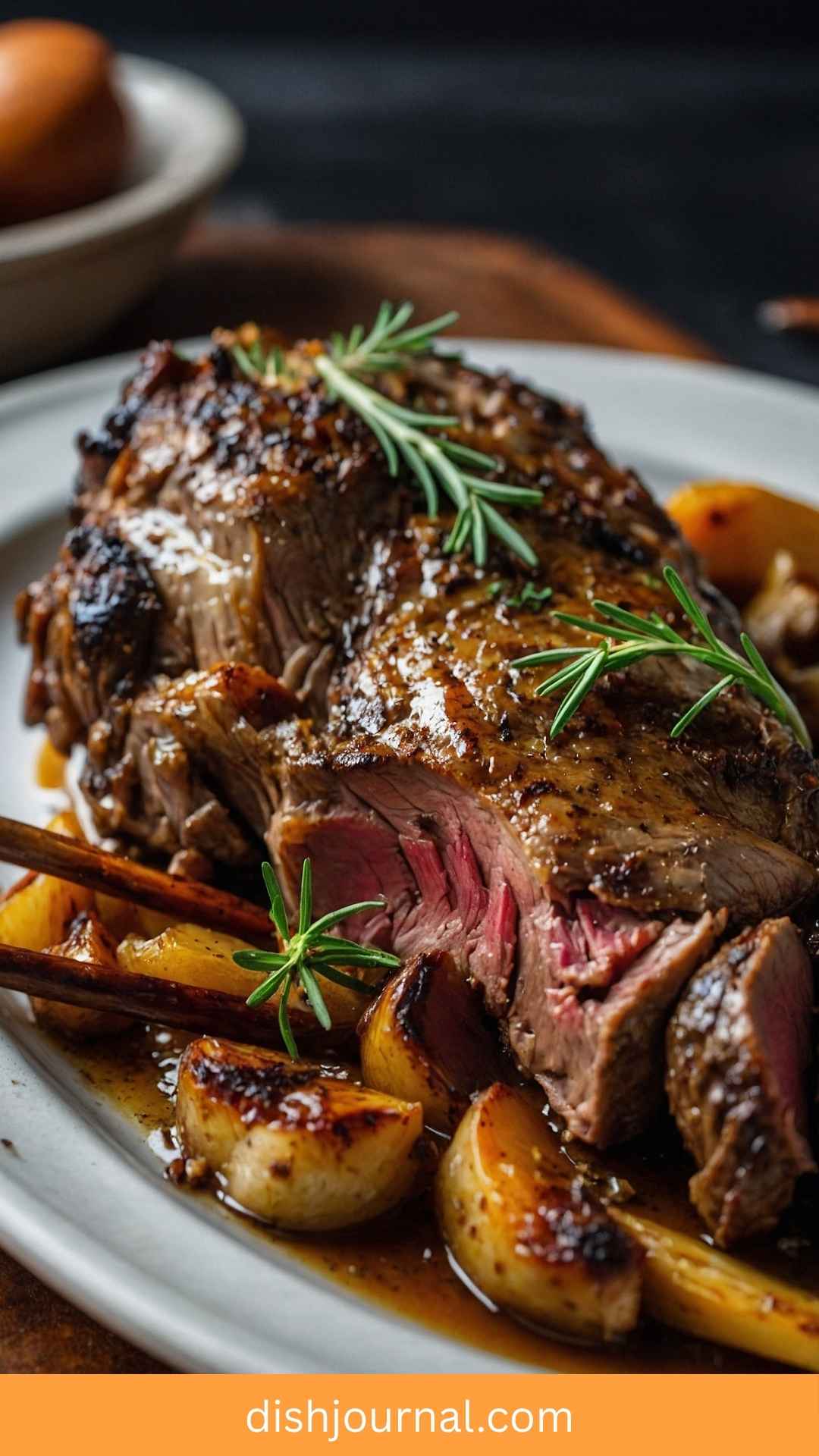

Roasted Leg of Lamb
Ingredients
Equipment
Method
- Start by preheating your oven to 350°F (175°C). While it’s warming up, take the leg of lamb out of the refrigerator. This allows the meat to reach room temperature, ensuring even cooking. Pat the lamb dry with paper towels, which helps develop a beautiful crust.
- Drizzle the olive oil over the lamb, making sure to coat it evenly. Rub the balsamic vinegar into the meat, enhancing the flavor. Generously season with sea salt and freshly cracked black pepper. Let’s not skimp on seasoning; it’s key to a flavorful dish.
- Take your garlic bulbs and rosemary sprigs, pressing them gently into the meat. The garlic will roast beautifully, becoming soft and sweet, while the rosemary infuses the lamb with its fragrant aroma.
- In a roasting pan, place the quartered onion around the lamb. You can also add other vegetables like carrots and potatoes if you’d like. They will soak up the delicious juices from the lamb.
- Pour the beef broth into the pan, ensuring it doesn’t touch the lamb directly. This broth will keep the meat moist while roasting and serve as the base for your gravy.
- Cover the pan with aluminum foil, making sure it’s secure to trap in moisture. Place it in the preheated oven for about 2 hours. If you prefer medium-rare, aim for an internal temperature of 145°F (62°C). Use a meat thermometer to ensure accuracy.
- After the initial roasting, uncover the lamb for the last 30 minutes. This step allows the surface to caramelize, resulting in a hearty, golden crust. Baste the lamb with the pan juices once or twice during this time.
- Once the lamb reaches your desired temperature, it’s essential to let it rest for about 15 minutes before carving. Resting allows the juices to redistribute throughout the meat, enhancing the flavor and tenderness.
- While the lamb rests, use the drippings in the pan to create your gravy. Pour the liquid into a saucepan and bring it to a simmer. In a separate bowl, mix the flour with water until smooth. Gradually whisk this mixture into the simmering liquid until thickened. Season with salt and pepper to taste.
- Now comes the exciting part: carving the lamb! Use a sharp knife to slice the meat against the grain. Serve it on a platter, drizzled with gravy, and accompanied by your favorite sides.
Nutrition
Notes
Don’t Skip the Resting Time: Allowing the lamb to rest is crucial for juicy meat.
Use a Meat Thermometer: Precise cooking is key. Aim for medium-rare at 145°F.
Baste During Cooking: Periodically spoon the pan juices over the lamb to keep it moist.
Experiment with Flavors: Customize with different herbs and spices according to your preference.
Tried this recipe?
Let us know how it was!Frequently Asked Questions
1. What is the best way to season lamb?
The best seasoning for lamb often includes fresh herbs like rosemary, thyme, and mint, complemented with garlic and citrus. A simple olive oil rub can enhance the meat’s natural flavor without overpowering it.
2. How do I know when the leg of lamb is done?
Use a meat thermometer to check the internal temperature. For medium rare, it should read 145°F (62°C). For medium, aim for 160°F (71°C), and well-done is around 170°F (77°C).
3. Can I cook a leg of lamb in a slow cooker?
Absolutely! Season and sear the lamb first, then transfer it to a slow cooker with broth and vegetables. Cook on low for 6-8 hours for tender, fall-off-the-bone results.
4. What’s the difference between leg of lamb and shoulder?
The leg of lamb comes from the hindquarter, while the shoulder is from the front part of the animal. The leg tends to be leaner and more tender, while the shoulder is usually more fatty and flavorful, making it perfect for slow cooking.
5. How can I add more flavor to roast lamb?
Consider marinating the lamb overnight with your choice of spices, garlic, and citrus. Additionally, adding wine to the roasting pan can introduce more rich flavors.
6. What should I serve with roasted leg of lamb?
Aside from traditional sides like mint jelly and garlic mashed potatoes, roasted vegetables, grain salads, and crusty bread work well to soak up the savory juices.
Conclusion
Roasting a leg of lamb is a rewarding culinary endeavor, bringing warmth and joy to any gathering. It’s more than just a dish; it’s an opportunity to connect with loved ones over a beautiful meal. The combination of succulent flavors, aromatic herbs, and the satisfaction of a well-cooked centerpiece makes it a dish worth mastering.
So, are you ready to fire up your oven and embark on this culinary adventure? Remember, cooking is all about enjoying the process. Grab your ingredients, follow the steps, and let the delicious aroma fill your home. Whether it’s a holiday feast or a casual Sunday dinner, roasted leg of lamb will not disappoint. Happy cooking!