
 Mary Kelly
While spaghetti carbonara stands strong on its own, a few accompaniments can truly elevate the experience. Here are some ideas to complement the rich, creamy dish.
A fresh Caesar salad with crisp romaine, crunchy croutons, and a tangy dressing is a perfect match. The brightness of the salad cuts through the richness of the carbonara, offering a refreshing contrast. Garlic bread is another classic pairing—warm, buttery, and garlicky, it’s ideal for mopping up that creamy sauce.
To balance the richness, a light wine such as Pinot Grigio or a light Chianti is an excellent choice. Their acidity brings a refreshing balance to the meal.
For a colorful and nutritious side, roasted seasonal vegetables like zucchini, bell peppers, or asparagus add texture and health benefits while complementing the pasta.
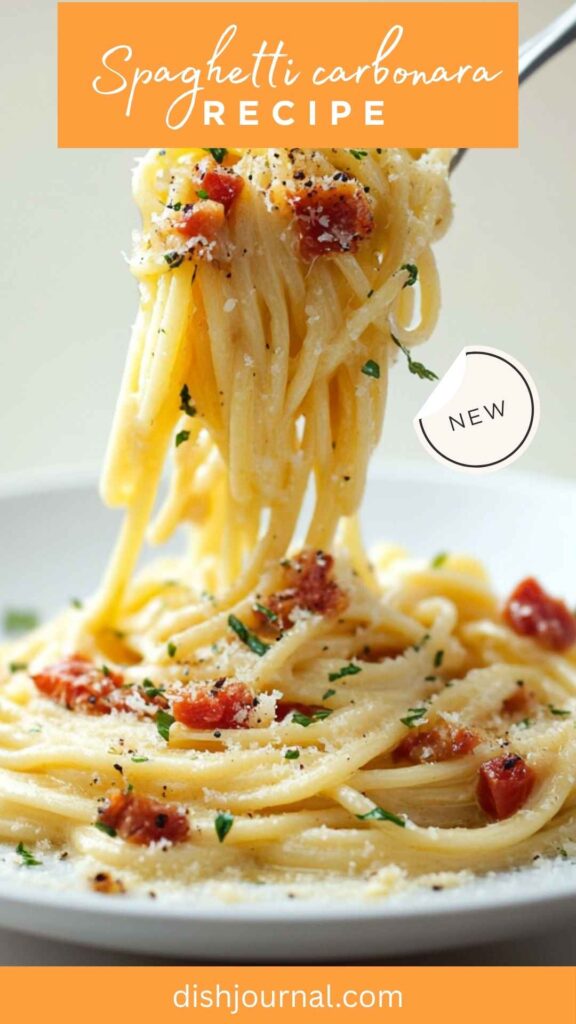
Ah, spaghetti carbonara! This famed Italian dish takes me back to my travels in Rome. Picture me at a quaint trattoria, savoring the flavors of freshly made pasta mixed with a rich, creamy sauce. Each bite felt like a hug from a nonna.
With just a few key ingredients, this dish showcases the beauty of simplicity in Italian cooking. Spaghetti carbonara is not just any pasta; it’s a culinary icon that has won hearts and stomachs worldwide.
It’s a mix of egg, cheese, and guanciale (or bacon for those short on time). The magic happens when the heat of the pasta transforms the egg into a silky sauce. If you’ve never made it, prepare for a delightful experience that is easier than you might expect.
What is Spaghetti Carbonara?
Spaghetti carbonara is a classic Roman pasta dish. It features spaghetti coated in a sauce made from egg, hard cheese, cured pork, and black pepper. The result? A creamy, rich, and indulgent dish that brings warmth and comfort.
Historically, it has roots tracing back to the mid-20th century. The name “carbonara” may derive from the word “carbone,” meaning coal. It’s said the dish was popular among coal miners who needed a hearty meal.
I’ve tried countless variations over the years, yet this traditional approach remains the best in my book. It’s simple. It’s authentic. It’s unforgettable.
Why This Recipe Works?
When cooking spaghetti carbonara, certain principles ensure success. Here are four reasons why this recipe stands out:
Simple Ingredients: The beauty lies in the simplicity. Just spaghetti, eggs, cheese, cured pork, garlic, and seasoning. Quality matters here. Choose good pasta and freshly grated cheese. The flavors shine through.
Silky Sauce: The trick to a creamy sauce is controlling the heat. The residual heat from the pasta cooks the eggs gently, avoiding scrambling. This method creates a velvety coating that clings to every strand.
Flavorful Additions: Garlic and red pepper flakes add depth. While traditional recipes might skip garlic, I love the extra layer it brings. A touch of heat contrasts nicely with the richness.
Customization Flexibility: You can adjust the recipe to suit your taste. Prefer pancetta over bacon? Go for it! Not a fan of pepper flakes? Leave them out. This dish embraces your personal touch.
You’ll Also Like The Following Recipe
Ingredients You’ll Need To Make This Dish
Gather your ingredients before you start cooking to streamline the process:
- 2 large eggs, at room temperature
- 8 ounces spaghetti pasta
- 1 tablespoon olive oil
- 4 slices bacon, chopped into small pieces
- 4 garlic cloves, finely minced
- ½ cup freshly grated Parmigiano-Reggiano cheese
- Kosher salt and freshly cracked black pepper, to taste
- 2 tablespoons freshly chopped parsley leaves
- 1 teaspoon red pepper flakes
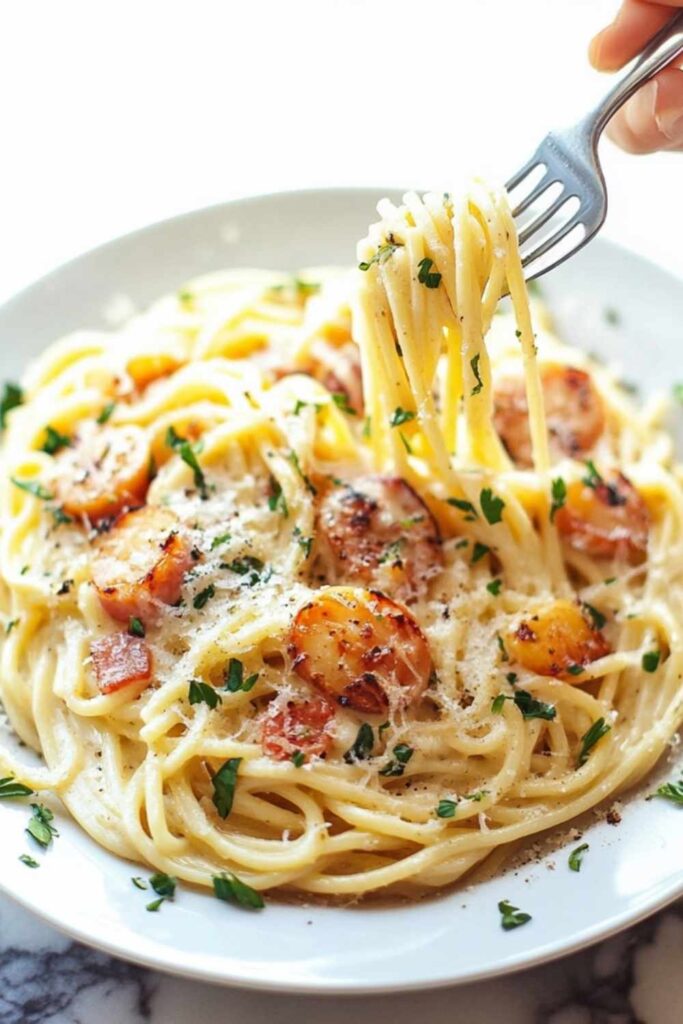
How To Make Spaghetti Carbonara?
Ready to dive into cooking? Let’s break it down into simple steps.
Step 1: Cook the Pasta
Bring a large pot of salted water to a boil. Add the spaghetti and cook until al dente as per package instructions. Typically, that’s about 8-10 minutes. Stir occasionally to prevent sticking.
Step 2: Prepare the Sauce
While the pasta cooks, whisk together the eggs and grated cheese in a mixing bowl. It should form a thick paste. Season with a generous pinch of black pepper. Set this aside.
Step 3: Cook the Bacon
In a pan, heat the olive oil over medium heat. Add the chopped bacon and fry until crispy. This step should take about 5-7 minutes. The fat released from the bacon will flavor the sauce beautifully.
Step 4: Add the Garlic
Once the bacon is golden brown, toss in the garlic. Sauté it briefly, about 30 seconds, until fragrant. Be careful not to let it burn.
Step 5: Combine Pasta and Bacon
When the spaghetti is ready, reserve about a cup of the starchy pasta water. Then drain the pasta but do not rinse it. Quickly add it to the pan with the bacon and garlic. Toss everything together so the spaghetti gets coated in that glorious bacon fat.
Step 6: Create the Sauce
Remove the pan from the heat. This is crucial! Slowly add the egg and cheese mixture to the spaghetti, stirring constantly. This allows the residual heat to cook the eggs without scrambling them. Add some reserved pasta water if needed to achieve your desired creaminess.
Step 7: Season to Taste
Taste your carbonara. Add kosher salt, freshly cracked black pepper, and red pepper flakes according to your preference. Finally, toss in the fresh parsley for brightness.
Step 8: Serve Hot
Plate the spaghetti carbonara immediately. Top with extra cheese and cracked pepper if desired. Nothing beats that first bite!
Tips & Tricks
Here are a few handy tips for the perfect carbonara:
Use Fresh Ingredients: Fresh eggs and quality cheese make a world of difference. Seek out Parmigiano-Reggiano cheese for the best flavor.
Be Careful with Heat: Always remove the pan from heat before adding your egg mixture. Control the heat to prevent curdling.
Pasta Water is Gold: Don’t skip reserving pasta water. It’s the secret to achieving that coveted silky sauce.
Leftovers Are Great: If you have leftovers, store them in an airtight container and finish within two days. Reheat gently to avoid overcooking the eggs.
Garnish Boldly: Fresh herbs and extra cheese on top can take your dish to the next level. Don’t shy away from seasoning!
Nutrition Information
spaghetti carbonara nutrition facts

How Do You Store The Leftovers?
Leftover spaghetti carbonara can last for about two days in the fridge. Ensure you store it in an airtight container.
When reheating, try to avoid drastic temperature changes. Gently warm it in a pan over low heat, adding a splash of water to help rehydrate the sauce.
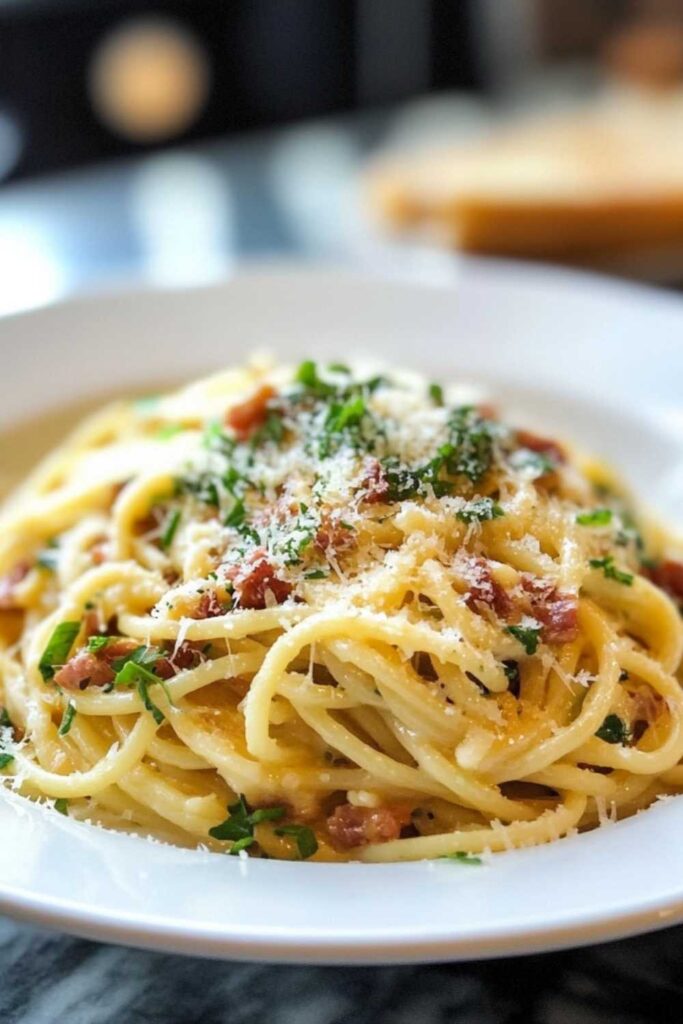
What Sides Would Complement Spaghetti Carbonara?
Eating spaghetti carbonara alone can feel lonely for some. Here are three sides that complement this dish perfectly:
Garlic Roasted Broccoli: Roasting brings out the natural sweetness of broccoli. Toss it with olive oil, garlic, and a sprinkle of salt before roasting at 425°F for about 20 minutes. It balances the richness of the carbonara nicely.
Caprese Salad: The combination of fresh mozzarella, tomatoes, and basil drizzled with balsamic glaze is refreshing. It offers bright flavors that contrast beautifully with the creamy carbonara.
Bruschetta: Whole-grain toast topped with diced tomatoes, basil, and balsamic vinegar creates a crunchy, refreshing appetizer. It’s light and delicious!
What Alternatives Can You Use for the Ingredients if They Are Not Present in Your Kitchen?
Not all kitchens are stocked the same way. Here are some alternatives if you find yourself missing key ingredients:
Pasta Alternatives: If you’re out of spaghetti, try fettuccine or linguine. Both shapes work well with the creamy sauce.
Egg Substitute: For a egg-free option, consider using a vegan egg substitute or silken tofu blended until smooth.
Cheese Variations: In lieu of Parmigiano-Reggiano, you can use Pecorino Romano for a sharper taste. Grana Padano is also a fine alternative.
Pork Choices: Don’t have bacon or guanciale? Chicken or turkey bacon can do the trick, though the flavor will be less rich. You can also try sautéed mushrooms for a vegetarian option.
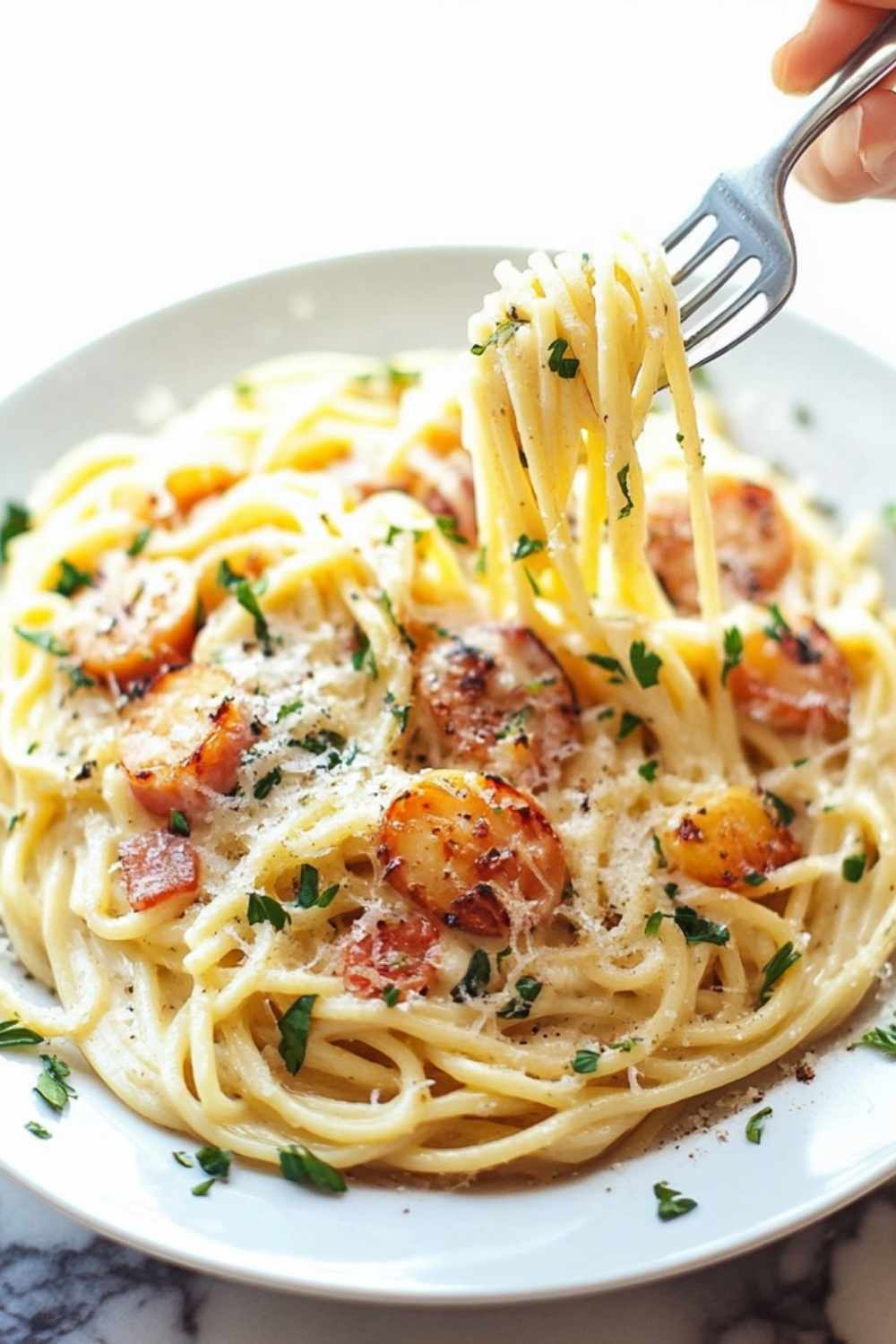

Spaghetti Carbonara
Ingredients
Equipment
Method
- Bring a large pot of salted water to a boil. Add the spaghetti and cook until al dente as per package instructions. Typically, that’s about 8-10 minutes. Stir occasionally to prevent sticking.
- While the pasta cooks, whisk together the eggs and grated cheese in a mixing bowl. It should form a thick paste. Season with a generous pinch of black pepper. Set this aside.
- In a pan, heat the olive oil over medium heat. Add the chopped bacon and fry until crispy. This step should take about 5-7 minutes. The fat released from the bacon will flavor the sauce beautifully.
- Once the bacon is golden brown, toss in the garlic. Sauté it briefly, about 30 seconds, until fragrant. Be careful not to let it burn.
- When the spaghetti is ready, reserve about a cup of the starchy pasta water. Then drain the pasta but do not rinse it. Quickly add it to the pan with the bacon and garlic. Toss everything together so the spaghetti gets coated in that glorious bacon fat.
- Remove the pan from the heat. This is crucial! Slowly add the egg and cheese mixture to the spaghetti, stirring constantly. This allows the residual heat to cook the eggs without scrambling them. Add some reserved pasta water if needed to achieve your desired creaminess.
- Taste your carbonara. Add kosher salt, freshly cracked black pepper, and red pepper flakes according to your preference. Finally, toss in the fresh parsley for brightness.
- Plate the spaghetti carbonara immediately. Top with extra cheese and cracked pepper if desired. Nothing beats that first bite!
Nutrition
Video
Notes
Tried this recipe?
Let us know how it was!Frequently Asked Questions
1. Can I use whole wheat spaghetti for this recipe?
Yes! Whole wheat spaghetti offers additional fiber and nutrients. The cooking method remains the same, just watch the time, as it might cook a little differently.
2. Is there a vegetarian version of carbonara?
Absolutely! You can use mushrooms or smoky eggplant to create a similar flavor profile. Nutritional yeast can serve as a cheese substitute for added depth.
3. What’s the difference between carbonara and alfredo?
While both dishes contain creamy sauces, carbonara gets its creaminess from eggs and cheese, while alfredo uses heavy cream. Carbonara also includes pancetta or guanciale.
4. Can I make spaghetti carbonara in advance?
It’s best fresh, but if you have leftovers, store them in the fridge. They won’t be quite the same as freshly made, but they will still taste delightful.
5. Can I freeze spaghetti carbonara?
Freezing is not recommended. The eggs and pasta may separate upon thawing, leading to a less desirable texture. Better to enjoy fresh!
6. Why does my carbonara sauce scramble?
This usually happens due to high heat. Always remove the pan from the burner before adding the egg mixture. Stir continuously for a smooth sauce.
Conclusion
Spaghetti carbonara is a comforting dish rooted in tradition. With a handful of ingredients, you can create a meal that captures the essence of Italian home cooking. My journey making this dish has shown me the importance of quality ingredients and careful technique.
As you prepare this recipe, remember that cooking is as much about enjoyment as it is about skill.
So fire up the stove and give this classic a whirl. You’ll not only end up with a delicious plate of pasta, but you’ll also create a memorable dining experience. Bon appétit!


