
 Mary Kelly
Ah, Bolognese! Just the thought brings a smile to my face. The rich aroma of simmering meat, the tang of tomatoes—it’s like a warm embrace from my Italian grandmother, even if I’m just steeped in my modest kitchen.
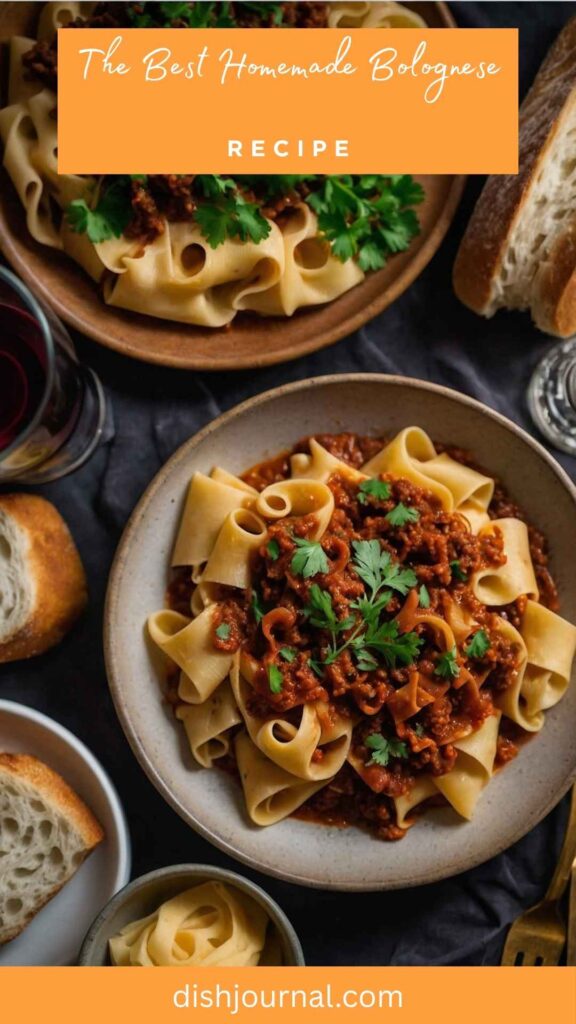
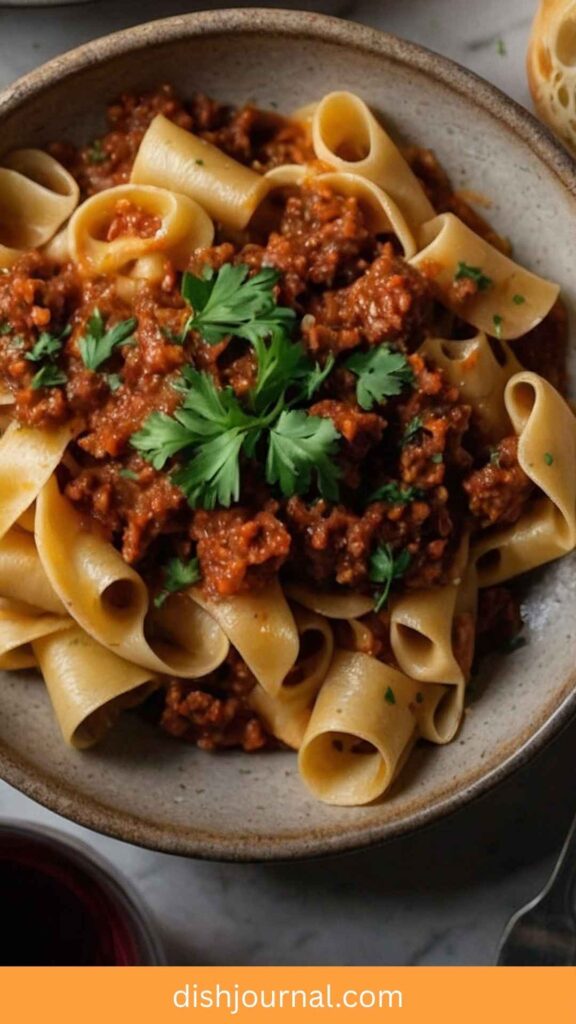
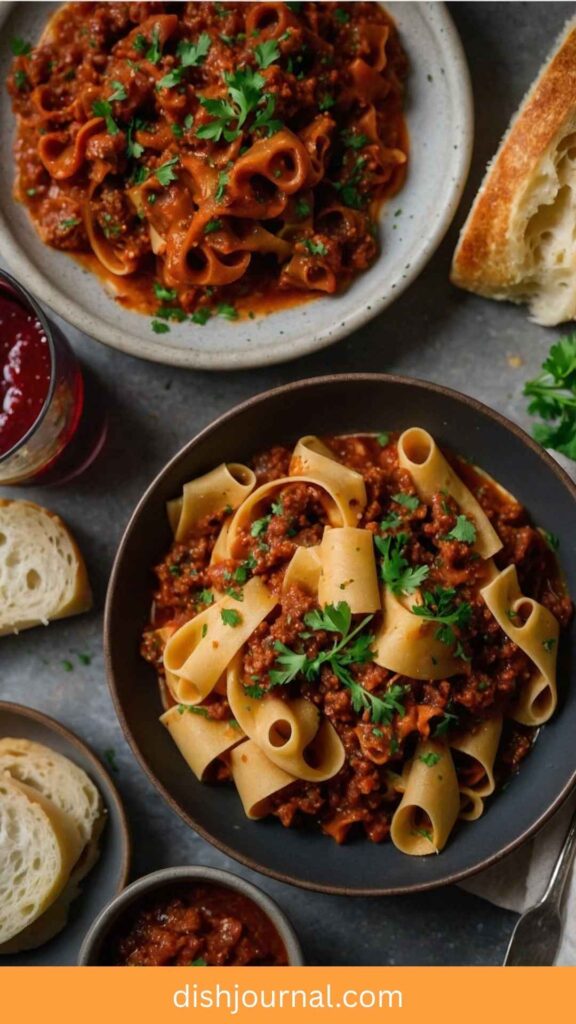
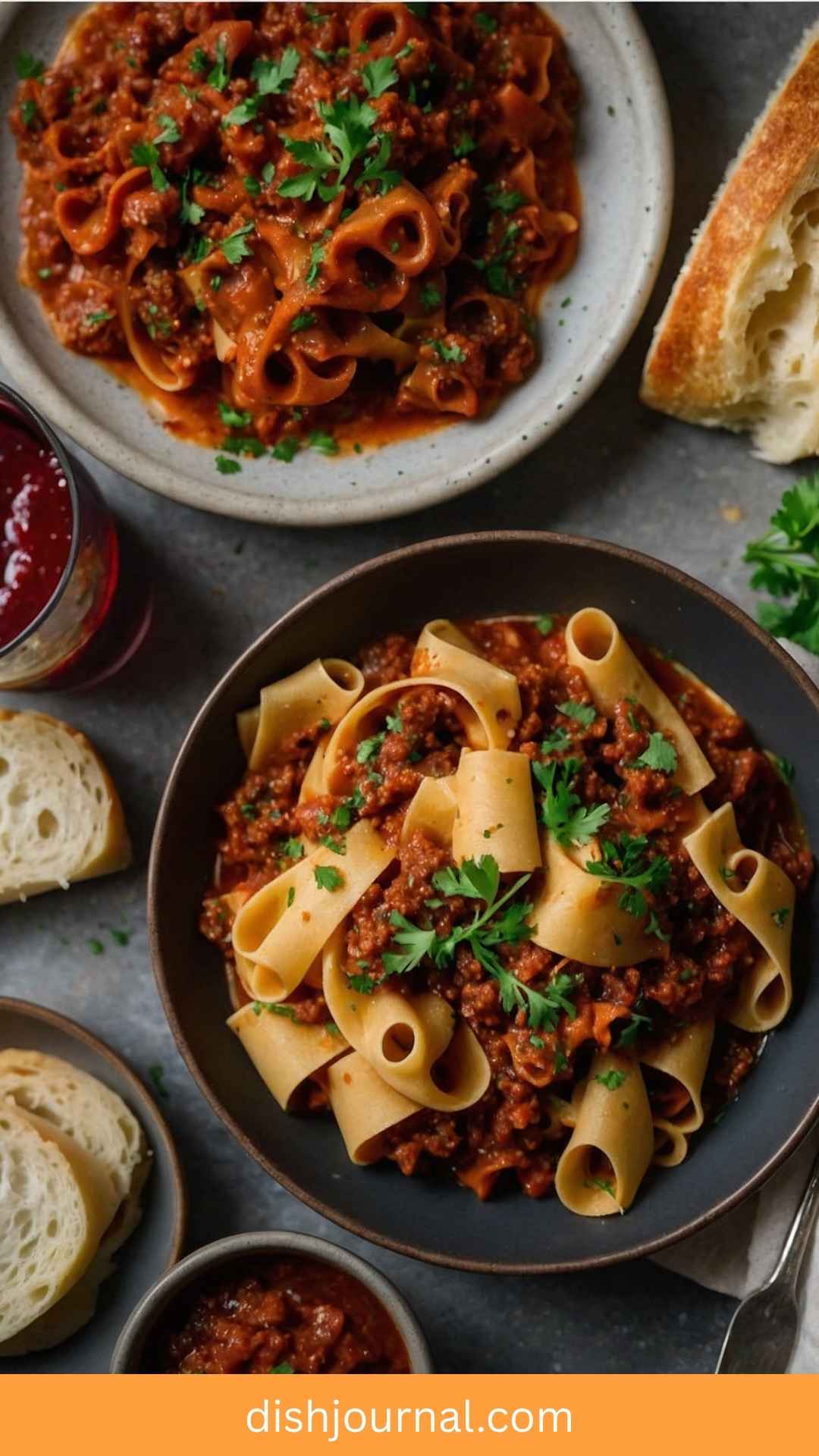
If you’re considering what dish pairs nicely with this glorious sauce, I can’t recommend a bowl of perfectly cooked pappardelle enough. Those wide ribbons cradle the sauce beautifully, ensuring every bite is a divine experience. Trust me; that’s the kind of dinner that’ll make your taste buds sing.
You’ll Also Like These Recipes
- Easy Steak Fajitas
- Slow Cooker Honey Garlic Chicken and Veggies Recipe
- Olive Garden’s Pasta e Fagioli Recipe
The Best Homemade Bolognese Recipe: What Makes It Special?
I’ve experimented with various Bolognese recipes over the years. Countless variations have graced my home kitchen, but this one remains my favorite. Why? Because it’s rich, hearty, and straightforward.
It doesn’t rely on fancy ingredients—it glorifies the simple ones. This recipe is rooted in tradition but offers an easy-going approach, ensuring anyone can whip it up without breaking a sweat. Let’s dive into the details to discover how to create this masterpiece.
The Ingredients
To craft a delicious Bolognese, you need some key players. Each component brings its magic to the dish, ensuring layered flavors that dance together in harmony. Here’s what you’ll need:
- 2 tablespoons double-concentrated tomato paste – for a rich base flavor.
- ¾ pound ground pork shoulder – tender and flavorful meat.
- 2 tablespoons freshly chopped flat-leaf parsley – a fresh touch at the end.
- ¾ pound lean ground beef – classic choice for heartiness.
- 1 pound pappardelle pasta, cooked al dente – the perfect vehicle for the sauce.
- 1 cup whole milk, at room temperature – for creaminess.
- ½ teaspoon anchovy paste – trust me, it adds depth.
- 3 cloves fresh garlic, finely minced – for an aromatic kick.
- 1 ½ tablespoons unsalted European-style butter – because, butter!
- 1 stalk celery, finely diced – for crunch and flavor.
- 1 medium sweet yellow onion, finely diced – the aromatic foundation.
- 2 teaspoons dried Italian oregano – a herb that ties flavors together.
- 1 teaspoon balsamic vinegar – brings a splash of sweetness.
- 1 cup dry Italian red wine (like Chianti) – enhances the meat’s flavor.
- ¼ teaspoon red pepper flakes, crushed – a hint of heat.
- 4 ounces pancetta, finely chopped – for that smoky richness.
- 1 (15-ounce) can fire-roasted crushed tomatoes – adds a lovely texture.
- Kosher salt and freshly cracked black pepper, to taste – seasoning essentials.
- ⅛ teaspoon freshly grated nutmeg – to lift the flavors subtly.
- 1 carrot, peeled and finely chopped – a touch of sweetness.
How to Make the Best Homemade Bolognese Recipe?
You may be asking how to turn these ingredients into a comforting bowl of heaven. My answer: take it one step at a time. Cooking should be enjoyed. Let’s walk through it together.
Step-by-Step Directions
Step 1: Preparing Your Ingredients
Before you even think about turning on the stove, take the time to chop your vegetables—onions, celery, carrot, and garlic—all should be finely diced. It makes the cooking process smoother and gives your sauce a consistent texture. Trust me; a bit of prep goes a long way.
Step 2: Searing the Meat
In a large skillet over medium heat, melt your butter. Once it starts to bubble, toss in the pancetta. Sauté until it’s crispy, which infuses the butter with flavor. Next, add your ground beef and pork.
Break it up, and let it brown. This step is crucial; even if you’re itching to rush the process, let it brown nicely. This caramelization develops the deep flavor you’re aiming for.
Step 3: Aromatics Time
Once your meat is browned, add the diced onions, celery, and carrot. Season lightly with salt and pepper. Stir it all together, letting those vegetables soften for about 5 minutes. You’ll start to smell the goodness. Then, toss in your garlic and cook for another minute—you want it fragrant but not burnt.
Step 4: Incorporating the Rest
Now, it’s time for the flavor boosters! Stir in the tomato paste and anchovy paste. Let them mingle with the meat and vegetables for about 2 minutes. They need time to unlock their potential. Next, pour in the red wine. This is where the magic happens. Allow it to simmer for about 5 to 6 minutes until it’s reduced slightly.
Step 5: Adding Tomatoes and Seasoning
Add in your fire-roasted crushed tomatoes, dried oregano, and red pepper flakes. The sauce gets richer with these additions. Stir it together and let it bubble gently. Now, it’s also time for the balsamic vinegar and a pinch of nutmeg. These ingredients will brighten up your sauce and add complexity.
Step 6: The Long Simmer
Lower the heat and let your sauce simmer on the stovetop uncovered. Aim for 45 minutes to an hour, stirring occasionally. The longer it simmers, the better the flavors will meld. If it looks too thick, add a splash of water or stock.
Step 7: Cream It Up
About 15 minutes before serving, stir in the whole milk. This step adds creaminess and balances the acidity of the tomatoes. It’s a game-changer, and you’ll notice a delightful transformation.
Step 8: Final Touches
Once the sauce has simmered and thickened to your preference, give it a taste. Adjust the seasoning with more salt, pepper, or even a touch more balsamic vinegar if needed. When it’s exactly how you like it, stir in the fresh parsley right before serving.
Notes
Here are some handy tips to keep in mind while making this Bolognese:
- Use Quality Meat: The better the meat, the better your sauce.
- Don’t Skip the Wine: It adds depth. If you don’t want to use wine, use a bit of extra broth.
- Slow and Steady: The longer it simmers, the better it becomes!
- Savor It Over Time: Bolognese tastes even better the next day due to the flavors melding together.
- Mix It Up: Experiment with herbs. Fresh basil or thyme can add unique flavors.
Storage Tips
You can store leftover Bolognese in an airtight container for up to four days in the refrigerator. It also freezes well. Just make sure it’s cooled completely before transferring to a freezer-safe container. It can last up to three months in the freezer. Reheat gently, adding a splash of milk or water to loosen the sauce if needed.
Nutrition Information
One serving of this delicious Bolognese (without pasta) typically contains:
- Calories: 400
- Protein: 30g
- Carbohydrates: 12g
- Fat: 25g
- Fiber: 3g
These values can vary based on portion size and substitutions made.
Serving Suggestions
Here are some ideas to elevate your Bolognese experience:
- Serve with Pappardelle: The wide noodles catch the sauce and are a classic pairing that can’t be beaten.
- Nacho Topping: Use the Bolognese as a unique taco filling. Top with cheese, avocado, and salsa.
- Make a Bolognese Lasagna: Layer the sauce with lasagna noodles and cheese for a classic comfort dish.
- Polenta Base: Serve over creamy polenta for a hearty alternative.
- Baked Potatoes: Top a fluffy baked potato with Bolognese for a filling meal.
What Other Substitutes Can I Use in the Best Homemade Bolognese Recipe?
Let’s talk substitutes. Life happens, and sometimes you don’t have every ingredient on hand. Here are some alternatives to make it work:
- Ground Turkey: Swap for turkey if you’re looking for a leaner option.
- Mushrooms: Use finely chopped mushrooms to replace some or all of the meat for a vegetarian twist.
- Tomato Puree: If you can’t find crushed tomatoes, tomato puree works, just remember it’s thicker.
- Vegetable Broth: Substitute wine with vegetable broth if desired.
- Red Pepper Flakes: Use crushed black pepper if you prefer less heat.

The Best Homemade Bolognese Recipe
Ingredients
Equipment
Method
- Before you even think about turning on the stove, take the time to chop your vegetables—onions, celery, carrot, and garlic—all should be finely diced. It makes the cooking process smoother and gives your sauce a consistent texture. Trust me; a bit of prep goes a long way.
- In a large skillet over medium heat, melt your butter. Once it starts to bubble, toss in the pancetta. Sauté until it’s crispy, which infuses the butter with flavor. Next, add your ground beef and pork.
- Break it up, and let it brown. This step is crucial; even if you’re itching to rush the process, let it brown nicely. This caramelization develops the deep flavor you’re aiming for.
- Once your meat is browned, add the diced onions, celery, and carrot. Season lightly with salt and pepper. Stir it all together, letting those vegetables soften for about 5 minutes. You’ll start to smell the goodness. Then, toss in your garlic and cook for another minute—you want it fragrant but not burnt.
- Now, it’s time for the flavor boosters! Stir in the tomato paste and anchovy paste. Let them mingle with the meat and vegetables for about 2 minutes. They need time to unlock their potential. Next, pour in the red wine. This is where the magic happens. Allow it to simmer for about 5 to 6 minutes until it’s reduced slightly.
- Add in your fire-roasted crushed tomatoes, dried oregano, and red pepper flakes. The sauce gets richer with these additions. Stir it together and let it bubble gently. Now, it’s also time for the balsamic vinegar and a pinch of nutmeg. These ingredients will brighten up your sauce and add complexity.
- Lower the heat and let your sauce simmer on the stovetop uncovered. Aim for 45 minutes to an hour, stirring occasionally. The longer it simmers, the better the flavors will meld. If it looks too thick, add a splash of water or stock.
- About 15 minutes before serving, stir in the whole milk. This step adds creaminess and balances the acidity of the tomatoes. It’s a game-changer, and you’ll notice a delightful transformation.
- Once the sauce has simmered and thickened to your preference, give it a taste. Adjust the seasoning with more salt, pepper, or even a touch more balsamic vinegar if needed. When it’s exactly how you like it, stir in the fresh parsley right before serving.
Nutrition
Notes
- Use Quality Meat: The better the meat, the better your sauce.
- Don’t Skip the Wine: It adds depth. If you don’t want to use wine, use a bit of extra broth.
- Slow and Steady: The longer it simmers, the better it becomes!
- Savor It Over Time: Bolognese tastes even better the next day due to the flavors melding together.
- Mix It Up: Experiment with herbs. Fresh basil or thyme can add unique flavors.
Tried this recipe?
Let us know how it was!Frequently Asked Questions
1. Can I make it vegetarian or vegan?
Absolutely! Substitute the meat with finely chopped mushrooms, lentils, or plant-based meat alternatives. Use vegetable broth instead of wine for depth.
2. How do I know when my sauce is done?
When it’s thickened and sticks to the back of your spoon, it’s done. A good rule is to simmer a minimum of 45 minutes for depth.
3. What pasta goes best with Bolognese?
Traditionally, tagliatelle, fettuccine, or pappardelle are excellent choices due to their ability to hold the sauce.
4. Can I use fresh tomatoes instead of canned?
Certainly! If you’re using fresh tomatoes, you’ll need to blanch and peel them first. It may require a bit more work, but it’s worth it!
5. Can I freeze Bolognese sauce?
Yes! Let it cool completely, then store it in airtight containers for up to three months.
Conclusion
Making homemade Bolognese can feel daunting, but trust me, it’s one of the most satisfying dishes you can create. Each step enriches not just the sauce, but your cooking experience. This recipe embodies warmth and comfort. Each spoonful tells a story of tradition, flavor, and love. Whether paired with pappardelle, enjoyed as lasagna, or topped on a baked potato, the versatility of this dish is endless.
Gather your ingredients, roll up your sleeves, and make memories in the kitchen. A flavorful adventure awaits, so enjoy every moment. Buon appetito!


