
 Mary Kelly
When you think of comfort food, what comes to mind? For me, it’s a hearty plate of tonkatsu. This crispy, fried pork cutlet is more than just a dish; it’s a delightful experience, especially on sunny Sundays. Let’s not just dive straight into the cooking. Before we start, let’s consider what pairings can elevate this delightful meal.
Pairing Suggestions
Tonkatsu is fantastic on its own, but pairing it with complementary sides can truly elevate your Sunday supper. Here are a few ideas:
- Cabbage Salad: A fresh, crunchy side of finely shredded cabbage dressed with a light vinaigrette provides a perfect contrast to the richness of the cutlet.
- Miso Soup: This warming soup introduces a comforting umami flavor that balances the meal beautifully.
- Steamed Rice: A bowl of fluffy white rice is always a classic companion, the perfect vehicle for soaking up any tangy sauce.
- Pickled Vegetables: Sweet and tangy pickles cut through the richness of tonkatsu, refreshing your palate with every bite.
- Sautéed Greens: Lightly sautéed bok choy or spinach seasoned with a hint of garlic adds both color and nutrients to your plate.
You’ll Also Like These Recipes
Imagine this: it’s Sunday afternoon, the sun streaming through the kitchen window, and the comforting aroma of sizzling pork fills the air. Sound familiar? That’s the magic of tonkatsu, a dish that transforms an ordinary Sunday into something special. My journey into the world of Japanese cuisine leads me to this flavorful cutlet, a culinary experience I want to share with you.
What is Tonkatsu?
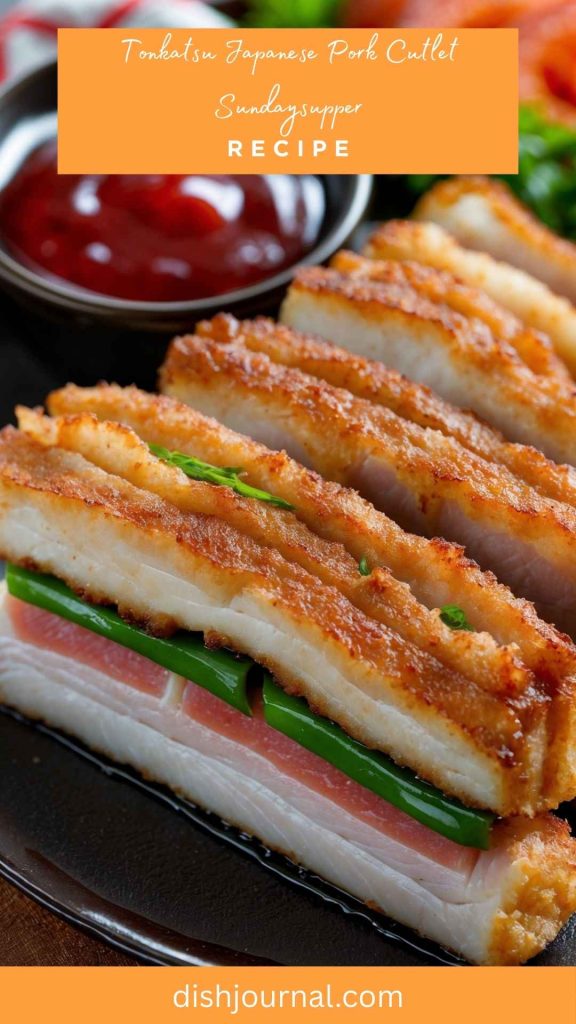
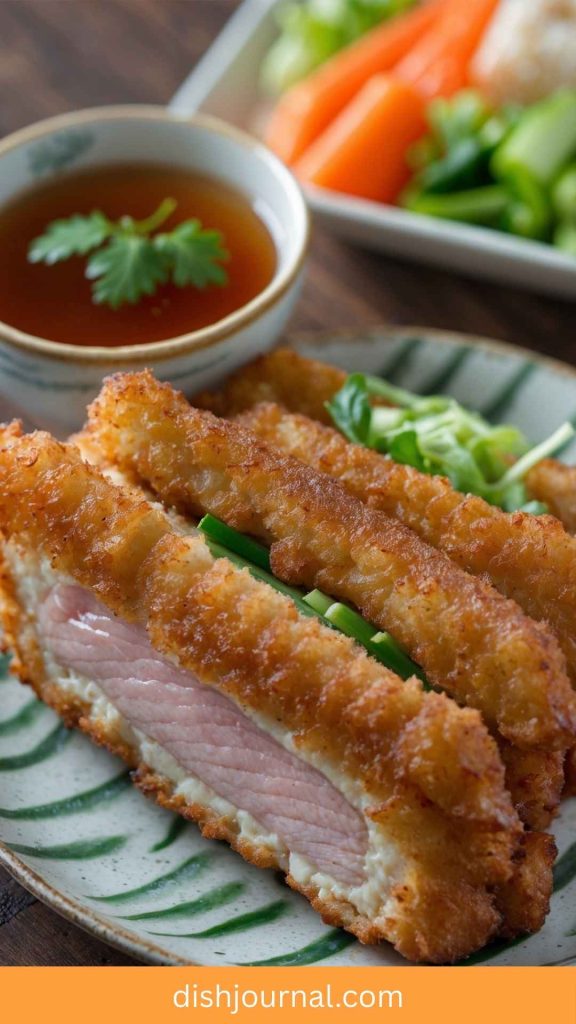
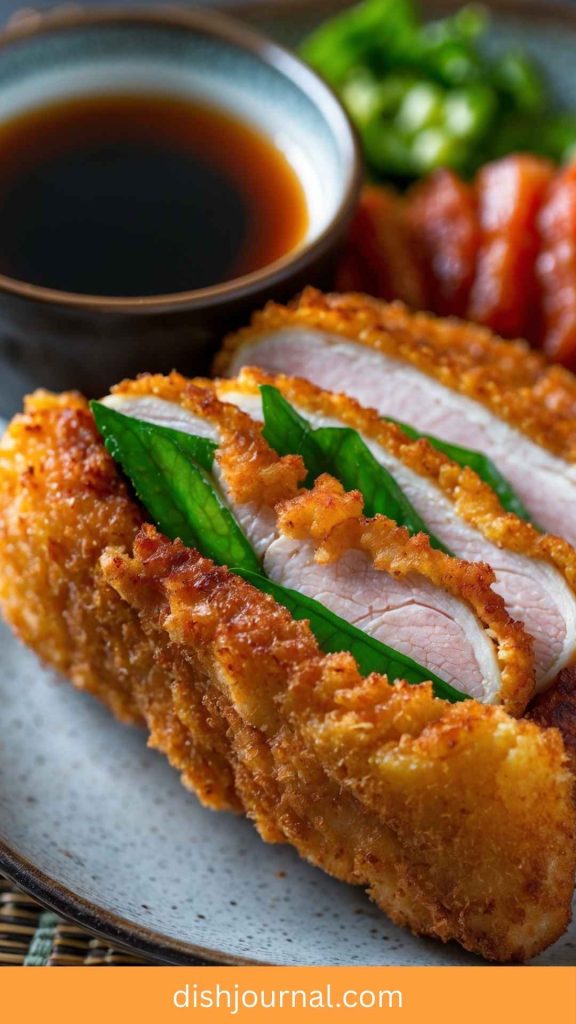
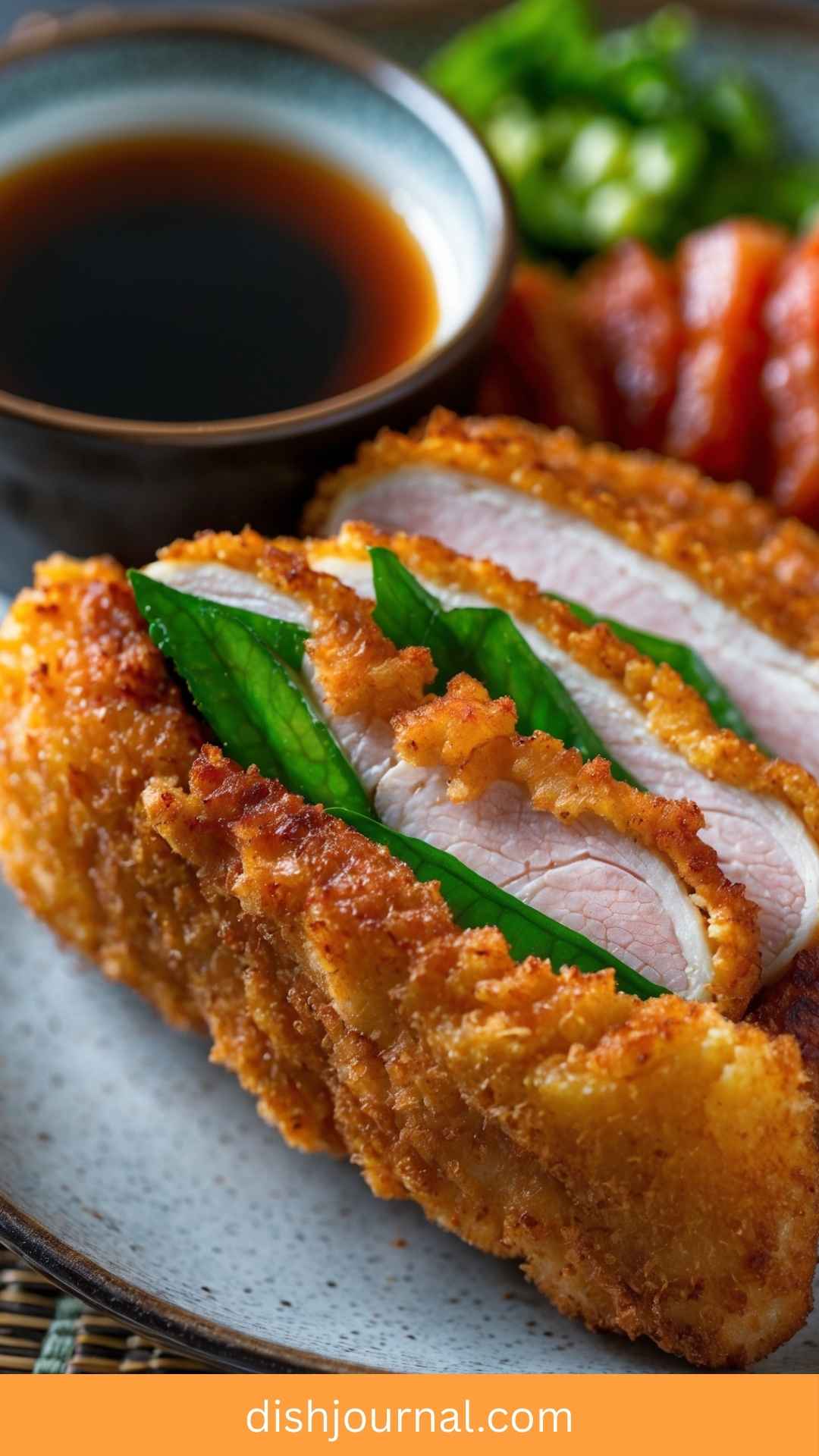
Tonkatsu is a Japanese dish that features a breaded and deep-fried pork cutlet, served typically with shredded cabbage. The cutlet is juicy, tender, and boasts a perfectly crispy exterior, thanks to the use of panko breadcrumbs. It often comes with a special sauce that adds depth and flavor, making it a beloved meal across Japan.
The origins of tonkatsu can be traced back to the late 19th century, adapting Western techniques of cooking meat, particularly pork. Over time, it became a staple in Japanese households and restaurants alike. When you sit down to enjoy tonkatsu, you’re not just having a meal; you’re partaking in a piece of history.
What Makes This Recipe Different from Other Tonkatsu?
What sets my tonkatsu recipe apart is the attention to detail and the balance of flavors in the accompanying sauce. Each ingredient plays a role. The crispiness of the panko, combined with the tender pork and the crunch of cabbage, creates a delightful bite every time.
I also emphasize fresh ingredients. Quality pork, rather than frozen or processed cuts, makes a world of difference. It ensures that your tonkatsu is tender and succulent. Plus, using a mix of sauces—Worcestershire, soy sauce, and homemade mayonnaise—enhances flavor complexity, something you won’t find in most other recipes.
How Does It Taste?
The first bite of tonkatsu is a moment of pure joy. You’re greeted by a satisfying crunch, followed by the juicy, savory flavor of pork. The subtle sweetness from the sauce and the creaminess of the mayonnaise adds to the experience. Mixed with the refreshing crunch of cabbage, it creates a symphony of textures and flavors that dances on your palate.
Ingredients You Will Need to Make This Dish
Here’s a detailed list of everything you’ll need:
Pork Cutlets: 4 boneless pork loin cutlets (about 1 lb / 450 g)
Seasoning: Salt and freshly ground black pepper to taste
Flour: ½ cup (65 g) all-purpose flour
Eggs: 2 large eggs, lightly beaten
Breadcrumbs: 1½ cups (105 g) crisp Japanese panko breadcrumbs
Oil: Neutral vegetable oil for deep frying
Bread: 8 thick, square slices of white sandwich bread, crusts removed
Butter: Soft butter for spreading on the bread
Cabbage: ¼ head napa cabbage or green cabbage, finely shredded
Sesame Seeds: 1 teaspoon toasted sesame seeds for garnish
Mustard: Your choice of mustard (Karashi, whole-grain, or Dijon)
Sauce Mixture
3 tablespoons (44 ml) tangy Worcestershire sauce
1 tablespoon (15 ml) naturally brewed soy sauce
½ teaspoon freshly grated ginger
2 tablespoons (30 g) creamy mayonnaise
¼ cup (55 g) rich tomato ketchup
½ teaspoon rice vinegar
1½ tablespoons (20 g) fine granulated sugar
¼ teaspoon garlic powder
2 tablespoons (30 g) savory oyster sauce
Step-by-Step Instructions
Making tonkatsu may seem daunting, but fear not. Here’s how you can create this masterpiece in your own kitchen.
Step 1: Prepare the Pork
Start with the pork loin cutlets. Gently pound them with a mallet to ensure even cooking. Season both sides with salt and pepper, letting the flavors penetrate the meat.
Step 2: Set Up the Breading Station
Create a three-bowl setup: one for flour, one for beaten eggs, and one for panko breadcrumbs. This will help you bread the cutlets efficiently.
Step 3: Bread the Cutlets
Dredge each cutlet in flour, shaking off the excess. Next, dip it in the beaten egg, ensuring it’s thoroughly coated. Finally, press it into the panko breadcrumbs to create a thick crust.
Step 4: Heat the Oil
In a deep skillet, heat about 1 inch of vegetable oil over medium heat. You can test if the oil is ready by dropping a few breadcrumbs into it; if they sizzle immediately, it’s time to fry.
Step 5: Fry the Cutlets
Carefully place one or two breaded cutlets into the hot oil. Fry for about 4-5 minutes per side or until golden brown. Don’t overcrowd the skillet; this will lower the oil temperature and affect crispiness.
Step 6: Drain and Rest
Remove the cutlets and place them on a rack lined with paper towels to absorb excess oil. Let them rest for a few minutes.
Step 7: Prepare the Sauce
While the cutlets are resting, mix all the sauce ingredients in a bowl. Stir until well combined. Adjust the seasoning to your taste.
Step 8: Assemble the Sandwich
Spread soft butter on your bread slices. Place a fried cutlet on four of the slices. Top with shredded cabbage, a sprinkle of sesame seeds, and drizzle some sauce. Cover with the remaining bread slices.
Step 9: Slice and Serve
Cut the sandwiches diagonally and serve with extra sauce on the side. Enjoy this delicious tonkatsu sandwich with your favorite sides!
Tips & Tricks on Making Tonkatsu Japanese Pork Cutlet
Quality Matters: Use fresh, high-quality pork for the best flavor and juiciness.
Panko is Key: Make sure to use Japanese panko breadcrumbs for that light, airy crunch.
Oil Temperature: Use a thermometer to keep the oil at around 350°F (175°C) for consistent frying.
Rest the Meat: Allow the cutlets to rest after frying for better moisture retention.
Taste the Sauce: Adjust the sauce to your personal preference; add more ginger for warmth or more vinegar for a tang.
Nutrition Information
Here’s an overview of the nutrition facts for one serving of tonkatsu.

How Do I Store This Dish?
If you have leftovers (which is rare, but it happens!), store the tonkatsu in an airtight container in the refrigerator for up to three days. To reheat, use an oven to maintain the crispiness rather than a microwave, which will make it soggy.
What Other Substitutes Can You Use in Tonkatsu Japanese Pork Cutlet?
Chicken Cutlets: For a lighter version, swap pork for chicken breast cutlets.
Thicker Pork Chops: If you prefer a different cut, opt for boneless pork chops. Adjust cooking time accordingly.
Egg Substitute: For a vegan option, try using a flax egg or aquafaba as a binding agent.
Whole Wheat Breadcrumbs: For a healthier alternative, consider whole wheat panko, adding fiber to your dish.
Vegetarian Option: Using eggplant as a meat alternative can provide a fulfilling meal while keeping it meat-free.

Tonkatsu: The Japanese Pork Cutlet Sunday Supper Recipe
Ingredients
Equipment
Method
- Start with the pork loin cutlets. Gently pound them with a mallet to ensure even cooking. Season both sides with salt and pepper, letting the flavors penetrate the meat.
- Create a three-bowl setup: one for flour, one for beaten eggs, and one for panko breadcrumbs. This will help you bread the cutlets efficiently.
- Dredge each cutlet in flour, shaking off the excess. Next, dip it in the beaten egg, ensuring it’s thoroughly coated. Finally, press it into the panko breadcrumbs to create a thick crust.
- In a deep skillet, heat about 1 inch of vegetable oil over medium heat. You can test if the oil is ready by dropping a few breadcrumbs into it; if they sizzle immediately, it’s time to fry.
- Carefully place one or two breaded cutlets into the hot oil. Fry for about 4-5 minutes per side or until golden brown. Don’t overcrowd the skillet; this will lower the oil temperature and affect crispiness.
- Remove the cutlets and place them on a rack lined with paper towels to absorb excess oil. Let them rest for a few minutes.
- While the cutlets are resting, mix all the sauce ingredients in a bowl. Stir until well combined. Adjust the seasoning to your taste.
- Spread soft butter on your bread slices. Place a fried cutlet on four of the slices. Top with shredded cabbage, a sprinkle of sesame seeds, and drizzle some sauce. Cover with the remaining bread slices.
- Cut the sandwiches diagonally and serve with extra sauce on the side. Enjoy this delicious tonkatsu sandwich with your favorite sides!
Nutrition
Notes
Panko is Key: Make sure to use Japanese panko breadcrumbs for that light, airy crunch.
Oil Temperature: Use a thermometer to keep the oil at around 350°F (175°C) for consistent frying.
Rest the Meat: Allow the cutlets to rest after frying for better moisture retention.
Taste the Sauce: Adjust the sauce to your personal preference; add more ginger for warmth or more vinegar for a tang.
Tried this recipe?
Let us know how it was!Frequently Asked Questions
1. Can I make tonkatsu in an air fryer?
Absolutely! Preheat your air fryer to 390°F (200°C). Coat the cutlets in oil after breading and cook for about 15-20 minutes, flipping halfway through.
2. Can tonkatsu be frozen?
Yes, it can! After frying, let the cutlets cool completely. Wrap each one tightly in plastic wrap, then store in a freezer bag. They can last up to two months in the freezer.
3. What can I serve with tonkatsu?
Tonkatsu is delicious with a variety of sides. Miso soup, pickled vegetables, or a simple stir-fried vegetable medley all complement this dish wonderfully.
4. Is tonkatsu gluten-free?
Traditional tonkatsu is not gluten-free due to the breadcrumbs and soy sauce. However, you can substitute with gluten-free breadcrumbs and a gluten-free soy sauce alternative.
5. What’s the origin of tonkatsu sauce?
Tonkatsu sauce is modeled after Worcestershire sauce and originated in Japan in the late 19th century, designed to pair perfectly with fried foods.
Conclusion
Tonkatsu is more than just a dish; it’s an invitation to gather and enjoy. The dishes we cook often carry memories and traditions. And this Japanese pork cutlet is no exception. With each crispy bite, I’m transported back to sunny Sundays filled with laughter and warmth. Now that you have the recipe and insights, it’s your turn to create unforgettable moments at your table. Grab your apron, flick on some light music, and dive into the delicious world of tonkatsu. Happy cooking!


