Mary Kelly
When I think about easy weeknight dinners that resonate with family and friends, chow mein immediately springs to mind. This dish isn’t just a meal; it’s a canvas for creativity and flavor. On any given night, you can pair chow mein with various options: crispy spring rolls, a refreshing cucumber salad, or even some juicy grilled chicken for a hearty feast. Each bite carries a hint of nostalgia blended with the excitement of different tastes.
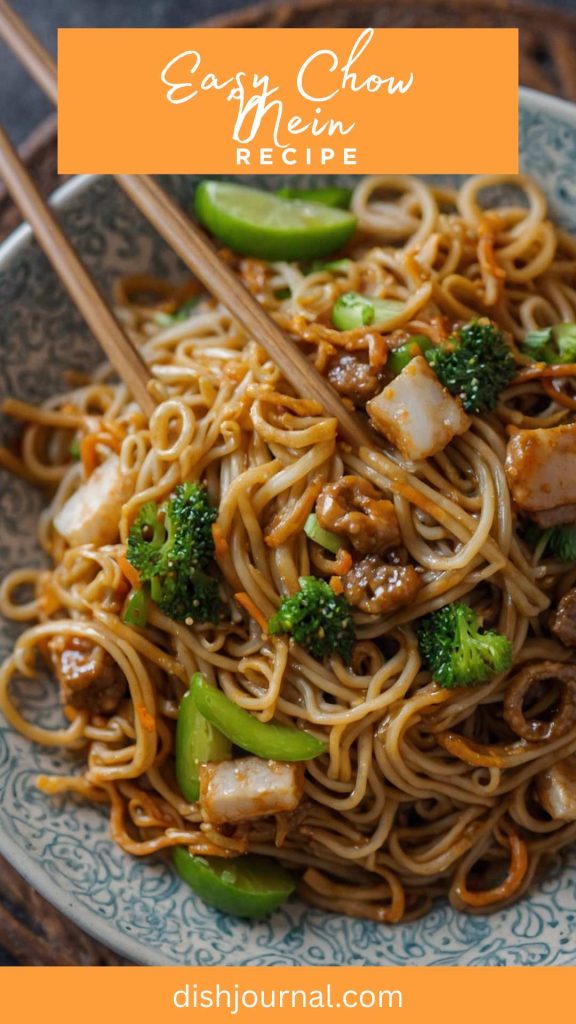
Imagine walking through the bustling streets of an Asian night market, the air filled with the enticing aroma of stir-fried noodles and sizzling vegetables. Now, picture that scene in your own kitchen, where you can whip up a delicious dish of chow mein in about 30 minutes. Yes, really! Let’s dive into the details of how you can create this easy and flavorful chow mein at home.
Chow mein is more than just a noodle dish; it’s a versatile recipe that adapts beautifully to various dietary preferences, and it’s incredibly quick to prepare. This easy chow mein recipe will become a staple in your household. With a bit of guidance, you can master this dish and leave your guests and family wanting more.
You Might Also Like These Recipes!
Why This Recipe Works
Simplicity at Its Best: The recipe is designed for those who crave flavor without spending hours in the kitchen. With a handful of ingredients and straightforward preparation, you can create an authentic dish that doesn’t require culinary expertise. It’s all about getting the basics right.
Incredible Flavor: The combination of fresh ingredients, savory sauces, and optional enhancements provides a rich taste that every mouthful will savor. The use of garlic, ginger, and sesame oil adds layers of flavor, making this chow mein deeply satisfying.
Healthy and Customizable: With fresh vegetables taking center stage, you can feel good about what you’re eating. Want more crunch? Throw in some bell peppers or snap peas. Prefer it vegetarian? No problem! Just skip the meat and load up on your favorite veggies.
Quick Cooking Time: Perfect for busy weeknights, this dish cooks in less than 30 minutes. You can enjoy a homemade meal without the fuss. This is particularly appealing for those who are juggling work and family commitments.
How Does It Taste?
Chow mein is a delightful explosion of tastes and textures. The soft, chewy noodles provide a satisfying base. Meanwhile, the crisp vegetables add a refreshing crunch. When you stir in that savory sauce, you’ll experience a perfect balance of umami flavors—salty, sweet, and aromatic. With every bite, the harmonious blend of ingredients will dance on your palate, leaving you craving more.
What Sets This Recipe Apart from Other Easy Chow Mein Variations?
What distinguishes this easy chow mein recipe from others is the careful selection of ingredients and the emphasis on freshness. Instead of relying on pre-packaged sauces that can be overly salty and full of preservatives, this recipe combines homemade elements that pack a genuine flavor punch.
The inclusion of fresh ginger and garlic elevates the dish, creating a warm, inviting aroma that fills your kitchen. Plus, the option to customize means you can adapt the recipe to suit your particular cravings or dietary needs.
The Ingredients
To embark on this culinary journey, you’ll need the following ingredients:
1 lb boneless, skinless chicken breasts (or your choice of protein)
Salt and freshly ground black pepper, to taste
3 tablespoons vegetable oil (or canola oil), divided
14 oz refrigerated yakisoba noodles or 16 oz chow mein noodles
2 cups finely shredded green cabbage
1 large carrot, shredded
2 celery ribs, chopped
4 green onions, chopped (keep whites and greens separate)
3 cloves garlic, minced
2 teaspoons freshly grated ginger
1 cup fresh bean sprouts (optional, but recommended)
1 teaspoon toasted sesame seeds
Sauce Ingredients:
⅓ cup low-sodium soy sauce
¼ cup oyster sauce
2 tablespoons sesame oil
1 tablespoon rice vinegar
1 teaspoon cornstarch
1 tablespoon light brown sugar
1–2 teaspoons Asian garlic chili sauce (optional, for a spicy kick)
Instructions
Step 1: Prepare the Ingredients
Start by gathering all your ingredients. Ensure your veggies are washed and chopped. This makes the cooking process smooth. You don’t want to be scrambling around for ingredients while your noodles overcook. Trust me, I’ve been there—once, I was frantically searching for cabbage in the fridge as my noodles sat angrily on the stove.
Step 2: Cook the Chicken
Heat 1 tablespoon of vegetable oil in a large skillet over medium-high heat. Season your chicken breasts with salt and pepper. Sauté the chicken in the skillet until browned and cooked through, about 5-7 minutes per side. Ensure it reaches an internal temperature of 165°F. Transfer the cooked chicken to a chopping board and let it rest for a few minutes before slicing it into bite-sized pieces.
Step 3: Sauté Vegetables
In the same skillet, add the remaining 2 tablespoons of vegetable oil. Increase the heat to high. Toss in the chopped white parts of the green onions, minced garlic, and grated ginger. Sauté for about a minute until fragrant—this is where the magic begins! Next, add the shredded cabbage, carrot, and chopped celery. Stir-fry the vegetables for 3-4 minutes until they’re vibrant and slightly tender.
Step 4: Add Noodles
If you’re using refrigerated yakisoba noodles, simply separate and add them directly to the skillet. If you’re using dried chow mein noodles, follow the package instructions to cook them before adding them to the skillet. Toss everything together to combine, creating a colorful medley.
Step 5: Mix the Sauce
In a small bowl, whisk together the soy sauce, oyster sauce, sesame oil, rice vinegar, cornstarch, and brown sugar. Stir until well combined. This sauce is the heart of your chow mein. It embodies the harmonious blend of flavors that will tie each ingredient together.
Step 6: Combine Everything
Pour the sauce over the noodle and vegetable mixture. Stir gently but thoroughly so that every strand of noodle is coated with this delightful concoction. If you like a bit of heat, add a teaspoon (or two) of Asian garlic chili sauce at this point.
Step 7: Add Chicken and Crunch
Just before serving, fold in the sliced chicken and top with fresh bean sprouts. Sprinkle toasted sesame seeds and the green parts of the chopped green onions on top for an extra pop of flavor and color. You can almost hear the sizzle as you plate it up!
Step 8: Serve and Enjoy
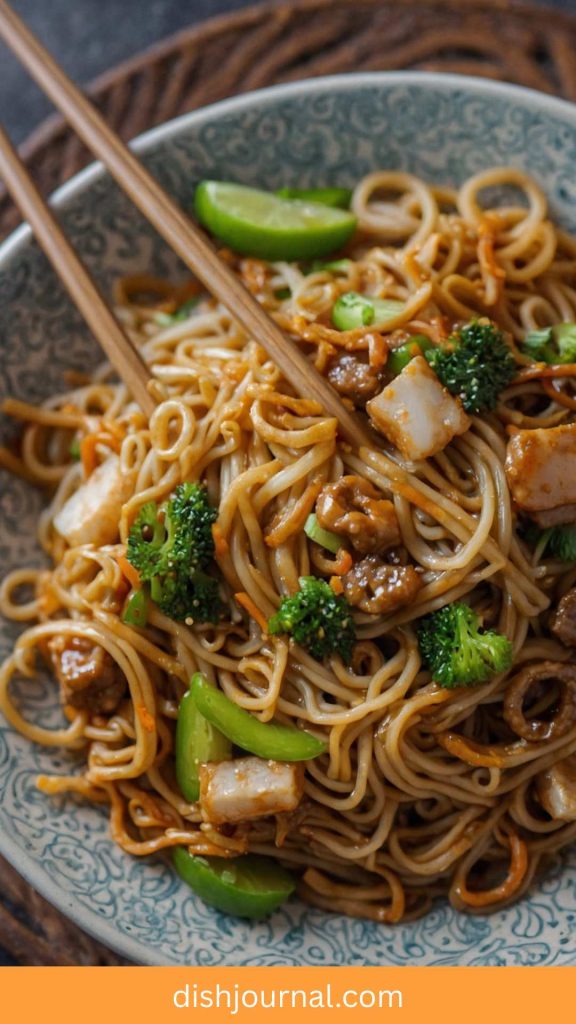
Your easy chow mein is ready to be served! Pair it with your favorite spring rolls or a side salad. Just like that, you have a colorful, delicious meal that’s guaranteed to impress.
Notes
Prep Ahead: Chop your vegetables the day before to save time.
Leftover Chicken: If you have leftover rotisserie chicken, you can use that instead, cutting down on your cooking time.
Make it Spicy: For those who love a kick, don’t hesitate to dial up the chili sauce.
Veggie Boost: Add broccoli, bell peppers, or snap peas for extra nutrition and crunch.
Cooking Noodles: If using dried noodles, don’t rinse them after cooking. The starch helps the sauce cling.
Nutrition Information
One serving of easy chow mein (without chicken) generally contains:
Calories: 290
Protein: 10g
Fat: 15g
Carbohydrates: 33g
Fiber: 3g
Sodium: 300mg
(Nutrition values will vary based on specific ingredients and serving sizes.)
How Do You Store This Easy Chow Mein?
You can store leftovers in an airtight container in the fridge for up to 3 days. Reheat in the microwave or on the stovetop. Add a splash of water or a drizzle of oil to keep it from drying out. Easy-peasy!
Sides for Easy Chow Mein
Crispy Spring Rolls: These delightful bites filled with veggies and served with sweet chili sauce are a classic companion to chow mein.
Cucumber Salad: A refreshing, light cucumber salad dressed in rice vinegar and sesame oil cuts the richness of chow mein, providing balance.
Asian Inspired Broccoli Salad: You can make a quick broccoli salad with a soy-based dressing, adding a crunchy texture alongside your noodles.
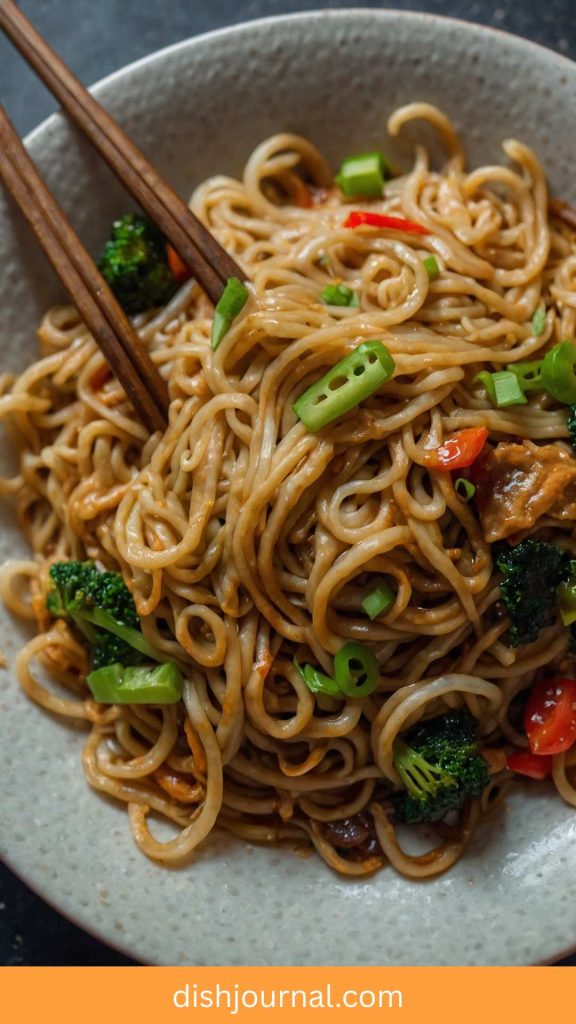
What Alternatives Can You Use for the Ingredients if They Are Not Present in Your Kitchen?
Protein Variations: If chicken isn’t your thing, you can easily swap it for shrimp, tofu, or even tempeh for a vegetarian option.
Noodle Choices: If you can’t find yakisoba or chow mein noodles, spaghetti or even rice noodles can work surprisingly well in this recipe.
Vegetable Options: Don’t have cabbage? Use spinach, kale, or even a bag of mixed frozen vegetables in a pinch.
Sauce Substitutions: If you’re out of oyster sauce, you can substitute with a mix of soy sauce and a bit of sugar to add sweetness.
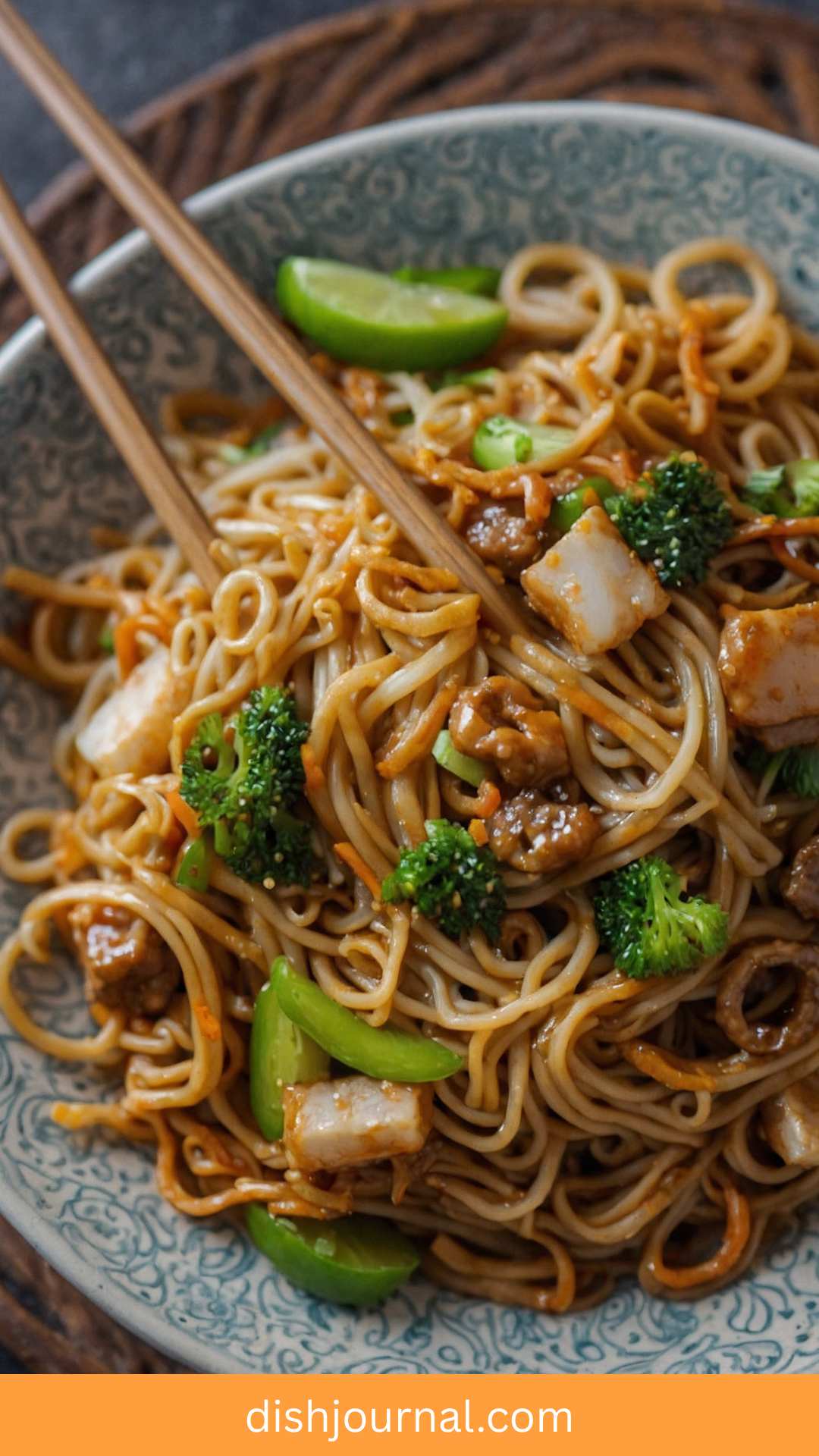

Easy Chow Mein
Ingredients
Equipment
Method
- Start by gathering all your ingredients. Ensure your veggies are washed and chopped. This makes the cooking process smooth. You don’t want to be scrambling around for ingredients while your noodles overcook. Trust me, I’ve been there—once, I was frantically searching for cabbage in the fridge as my noodles sat angrily on the stove.
- Heat 1 tablespoon of vegetable oil in a large skillet over medium-high heat. Season your chicken breasts with salt and pepper. Sauté the chicken in the skillet until browned and cooked through, about 5-7 minutes per side. Ensure it reaches an internal temperature of 165°F. Transfer the cooked chicken to a chopping board and let it rest for a few minutes before slicing it into bite-sized pieces.
- In the same skillet, add the remaining 2 tablespoons of vegetable oil. Increase the heat to high. Toss in the chopped white parts of the green onions, minced garlic, and grated ginger. Sauté for about a minute until fragrant—this is where the magic begins! Next, add the shredded cabbage, carrot, and chopped celery. Stir-fry the vegetables for 3-4 minutes until they’re vibrant and slightly tender.
- If you’re using refrigerated yakisoba noodles, simply separate and add them directly to the skillet. If you’re using dried chow mein noodles, follow the package instructions to cook them before adding them to the skillet. Toss everything together to combine, creating a colorful medley.
- In a small bowl, whisk together the soy sauce, oyster sauce, sesame oil, rice vinegar, cornstarch, and brown sugar. Stir until well combined. This sauce is the heart of your chow mein. It embodies the harmonious blend of flavors that will tie each ingredient together.
- Pour the sauce over the noodle and vegetable mixture. Stir gently but thoroughly so that every strand of noodle is coated with this delightful concoction. If you like a bit of heat, add a teaspoon (or two) of Asian garlic chili sauce at this point.
- Just before serving, fold in the sliced chicken and top with fresh bean sprouts. Sprinkle toasted sesame seeds and the green parts of the chopped green onions on top for an extra pop of flavor and color. You can almost hear the sizzle as you plate it up!
- Your easy chow mein is ready to be served! Pair it with your favorite spring rolls or a side salad. Just like that, you have a colorful, delicious meal that’s guaranteed to impress.
Nutrition
Notes
Leftover Chicken: If you have leftover rotisserie chicken, you can use that instead, cutting down on your cooking time.
Make it Spicy: For those who love a kick, don’t hesitate to dial up the chili sauce.
Veggie Boost: Add broccoli, bell peppers, or snap peas for extra nutrition and crunch.
Cooking Noodles: If using dried noodles, don’t rinse them after cooking. The starch helps the sauce cling.
Tried this recipe?
Let us know how it was!Frequently Asked Questions
1. Can I make chow mein vegan?
Absolutely! Just substitute the chicken with extra vegetables or tofu, and ensure you use vegan-friendly sauces. You can use plant-based oyster sauce or skip it entirely.
2. What should I do if my chow mein noodles are sticky?
If the noodles stick together before you begin cooking, rinse them briefly under cold water before adding to the skillet. This helps separate them.
3. Can I freeze leftover chow mein?
Yes, but keep in mind that vegetables might lose some texture after freezing. Store in an airtight container, and it should last about a month. Thaw and reheat gently.
4. How spicy is this recipe?
The spice level depends on how much chili sauce you add. Start with a smaller amount and adjust to your taste as you cook; you can always add more heat, but it’s hard to dial it back!
Conclusion
Cooking easy chow mein is more than just following a recipe; it’s an experience that elevates your weeknight dinner. With its vibrant ingredients and flexible nature, this dish can easily adapt to fit the whims of your taste buds. So whether you’re looking for a quick family meal or hosting friends for dinner, chow mein shines at the dinner table. With this guide, you’re equipped to create a meal that’s as flavorful as it is simple. Here’s to many delicious bowls of noodle goodness—dive in and enjoy!